
Above all things, know thyself.
Ecstasy, Sovereignty, and the One Life
Thoth Tarot, Western Hermetic Qabalah, Metaphysics, and Parapsychology on the Sacred State Beyond Religion and Illusion
There are moments on the path when the soul discovers that true pleasure is not indulgence, and true ecstasy is not escape. It is awakening. It is the sudden, inward recognition that Life itself is radiant, intelligent, and already burning within us. In such moments, the body may feel suffused with warmth, the mind may grow still without becoming dull, and the heart may enter a state of profound delight that no mundane intoxication can reproduce. For many, religion tries to explain this. For others, dogma imprisons it. But the Western Hermetic Qabalah gives us a more exact and noble language: this is not fantasy for its own sake, nor is it necessarily hallucination. It may be the soul touching the deeper current of the One Life.

The Thoth Tarot gives us two powerful keys for understanding this ecstatic condition: the 6 of Cups, Pleasure, and ATU XI, Lust. These are not cards of shallow gratification. They are cards of spiritual intensity expressed through living embodiment. They teach that ecstasy is not the opposite of wisdom, but one of its flowering states.

The 6 of Cups in the Thoth Tarot is titled Pleasure, yet this title must be understood in its higher sense. This card is Tiphareth in Briah, the Solar harmony of the heart shining through the creative world of soul-consciousness. Here pleasure is not lust for possession, nor the temporary soothing of lack. It is a condition of equilibrium, beauty, and emotional radiance. It is the delight that arises when the inner forces are in accord. In this card, pleasure is not a fall from grace. It is the fragrance of grace when the soul and the life-current are momentarily at peace with one another.
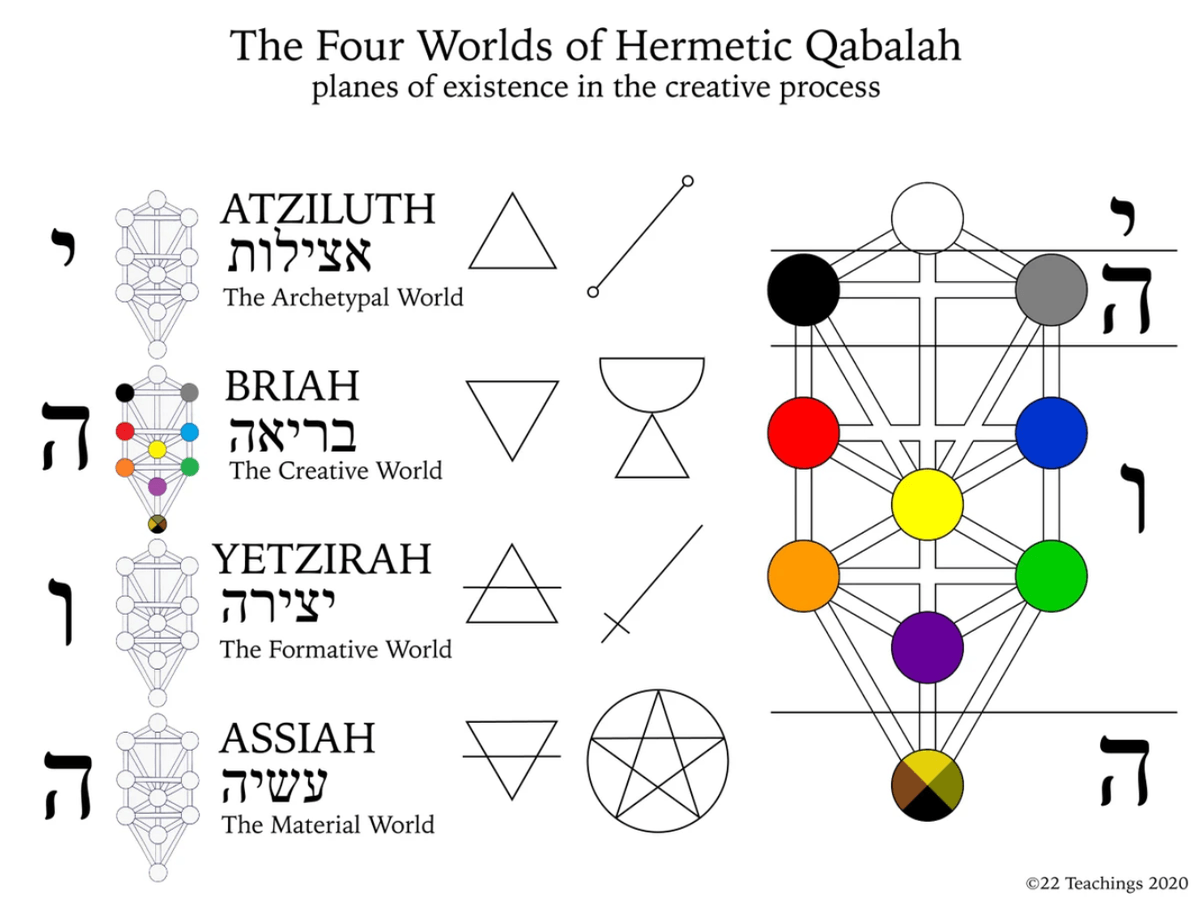
ATU XI, Lust, intensifies this doctrine. Lust in the Book of Thoth is not mere sexuality, nor is it the moral weakness that religious systems often condemn. It is sacred passion, the soul’s courageous participation in the total force of Life. The woman in the card does not repress the beast, nor is she devoured by it. She rides it. She is not conquered by instinct; she consecrates instinct. This is a profound Hermetic mystery. The ecstatic life is not achieved by fleeing the body, but by transforming the body into an instrument of gnosis. It is not attained by mutilating desire, but by refining desire until it reveals its hidden root in Will.
When the 6 of Cups and Lust are considered together, they suggest a path of sacred ecstasy that many traditions only half understand. The 6 of Cups gives the sweetness of harmonized being. Lust gives the fiery courage to endure and embody that intensity. One is the cup filled with the nectar of the soul; the other is the force that dares to drink it without fear. Together they proclaim that enlightenment is not always cold, detached, and sterile. Sometimes enlightenment burns. Sometimes it glows. Sometimes it arrives as a warmth in the subtle body, an inward pleasure, a sense of living union that no chemical, political ruler, or dead religious form can bestow.

From the perspective of Western Hermetic Qabalah, this experience can be understood as an alignment of the lower vehicles with the Solar Self of Tiphareth. When this occurs, the ordinary ego ceases, even if only briefly, to imagine itself separate from the deeper current of being. Then pleasure is transfigured. It is no longer merely sensation. It becomes revelation. The mind becomes clearer, the body more luminous, and emotion less reactive. One begins to feel not “I am this little isolated creature seeking relief,” but rather, “I am participating in a greater field of Life that breathes through all things.” In Hermetic language, this is not self-deification in the crude sense. It is the removal of inner fragmentation so the soul may know its own root in the One.
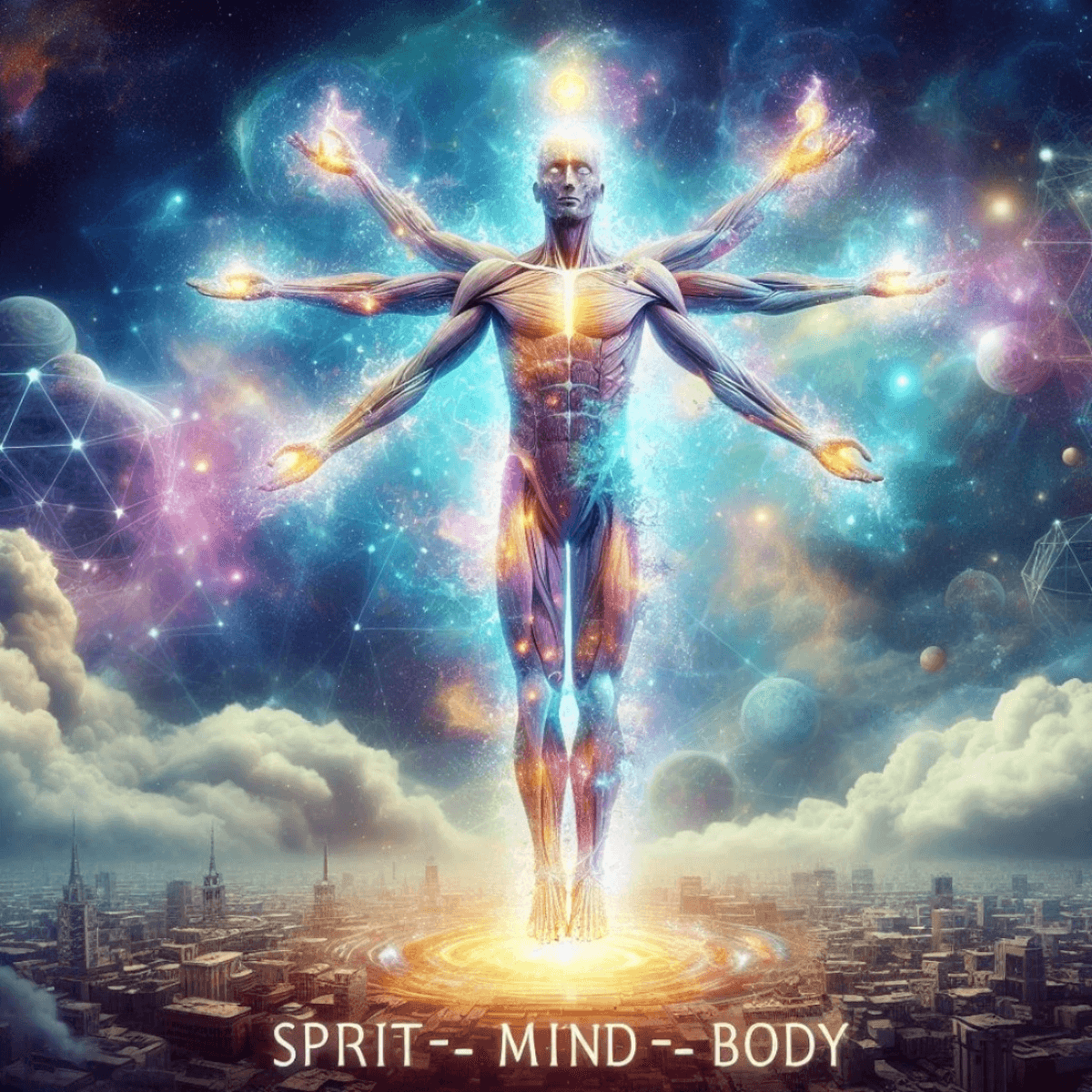
This is also where the idea of individual sovereignty becomes important. In its highest Hermetic sense, sovereignty does not mean worshiping the little ego, nor does it mean becoming spiritually arrogant. It means refusing psychological slavery to egregores, inherited tyrannies of thought, false gods formed by fear, and religious structures that demand submission at the cost of direct experience. It means standing upright within the temple of one’s own being and realizing that true union with the Divine does not require servility. The One Life is not encountered through degradation, but through awakened participation. Thus, the mature soul does not grovel before forms of power made by men. It seeks conscious union with the source behind all forms.
Metaphysically, this suggests that ecstasy is not imported into us from the outside world. It is uncovered from within the depths of being itself. The world of surfaces offers substitutes: drugs, distraction, social approval, ideology, and endless externalized cravings. But these are fragments. What the ecstatic state reveals is that delight is native to consciousness when consciousness is less divided against itself. The warmth, bliss, and fullness that arise in such states may be understood as the natural radiance of being when resistance loosens. In that sense, ecstasy is not delusion. It is often a disclosure of a more interior order of reality.

Parapsychology offers another useful lens. It allows us to discuss these states without reducing them either to dogma or pathology. Human consciousness is capable of altered states that include bodily warmth, heightened meaning, unusual clarity, intensified inner imagery, expanded empathy, and the sense of participating in something larger than the ordinary personality. Such states are not automatically pathological. The wiser question is not whether they fit conventional materialist expectations, but what fruits they bear. Do they deepen coherence? Do they increase lucidity? Do they lessen fear? Do they make one more ethical, more integrated, more alive? If so, then the experience bears the marks of an opening state rather than a disorganizing one.

This is where discernment remains essential. Western Hermeticism has always warned that not every bright light is illumination. Netzach can glamourize. Yesod can distort. The astral light can magnify fantasy just as easily as it can reflect truth. Therefore, the measure of any ecstatic state is not only its intensity, but its aftermath. Does it produce greater balance, greater self-possession, greater compassion, and a clearer relation to reality? Or does it inflate the ego, weaken judgment, and estrange one from practical life? A genuine touch of the One Life should strengthen the center, not shatter it.
So no, such a state need not be dismissed as hallucination merely because it transcends the dull framework of modern reductionism. Western Hermetic Qabalah gives us a language in which ecstasy can be understood as the soul’s temporary or sustained participation in the harmonized current of Life. The Thoth 6 of Cups names its sweetness. Lust names its holy fire. Metaphysics explains its unity. Parapsychology allows room for its unusual phenomenology. Together, they tell us that the ecstatic life is not necessarily an escape from truth, but may be one of truth’s most intimate revelations.
The great danger is not ecstasy itself. The danger is forgetting to test ecstasy by its fruits. If it makes one more whole, more inwardly free, more honest, more capable of love, and less enslaved to outer idols, then it has served the Great Work. For the Great Work is not the worship of a god created by fear. It is the refinement of the self until it can consciously bear the fire of the One Life without flinching.

In that light, the ecstatic life is not anti-Hermetic at all. It is profoundly Hermetic. It is the soul remembering that bliss is not foreign to existence. It is one of the signatures of Being itself.
Closing Paragraph
The true Hermetic adept does not seek intoxication for its own sake, nor bow before the hollow thrones of dogma, rulers, or fear-made gods. Rather, the adept seeks conscious union with the One Life that burns through all forms and yet is never confined by any form. The Thoth 6 of Cups and ATU XI Lust remind us that sacred ecstasy is not weakness, but power rightly awakened; not delusion, but delight tested by wisdom. Above all things, know thyself—for when the soul truly knows itself, it no longer begs for fragments of pleasure from the world, but drinks from the radiant source within.
Thank you for your bright interest, warm support, and subscriptions (free). Your generous donations help sustain and continue these living currents of insight, so that these blogs may keep reaching, inspiring, and illuminating others. May your path be filled with sacred warmth, inner ecstasy, and enduring prosperity. May you live long and prosper.
3 Western Hermetic Tarot and Magick websites helping people become more magick and less tragic since 2010.
